How to Grow a Premium Cookware Brand Online With Paid Social and Content Marketing
Selling premium cookware online is harder than it looks. The product is expensive, the purchase is considered, and the average buyer needs to be convinced that a £200 pan is worth it before they ever reach checkout. Most marketing playbooks built for fast-moving consumer goods simply do not translate. Discounting undermines positioning. Generic product ads get ignored. And broad awareness campaigns rarely reach the people who actually buy.

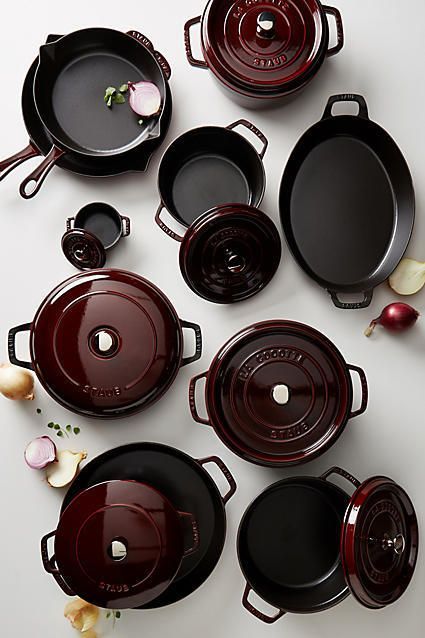
The brands getting this right have figured out something important: paid social and content marketing are not separate channels. They are two halves of the same engine. Content builds the case for why your cookware is worth the price. Paid social puts that case in front of the right people at the right moment. When the two are aligned, the results are significant.
The global cookware market was valued at over $10 billion in 2023 and continues to grow, driven by a rising appetite for quality kitchen equipment among serious home cooks. The opportunity is real. The question is how to capture it without racing to the bottom on price.
This guide covers the strategy, channel priorities, and content formats that work specifically for premium cookware brands, with examples from brands that have done it well.
Why Standard DTC Marketing Fails Premium Cookware Brands
The default DTC playbook, heavy on discount codes, catalogue ads, and broad prospecting, was built for impulse purchases. A £25 candle and a £250 sauté pan require fundamentally different marketing logic.
Premium cookware sits in a category where the purchase decision can take weeks. Buyers research materials, read reviews, watch cooking videos, and compare brands before committing. They are not scrolling and buying in the same session. This means that any strategy focused purely on last-click conversion is leaving most of the opportunity on the table.
There are three specific mistakes that hold premium cookware brands back:
- Competing on price signals: Running "up to 30% off" promotions trains your audience to wait for a sale and devalues the brand in the process. Premium positioning requires premium pricing discipline.
- Product-first creative: Ads that lead with product shots and feature lists perform poorly at premium price points. Buyers need to see the product in use, in context, and validated by people they trust.
- Ignoring the consideration phase: Most paid social budgets are weighted toward bottom-funnel conversion. For cookware at £150+, this is backwards. The majority of the work happens in the middle of the funnel, where content and social proof do the heavy lifting.
The brands winning in this space have inverted this model. They invest in content that earns trust first, then use paid social to distribute that content efficiently and retarget the audiences it
Build the Content Foundation First
Before a single pound goes into paid media, there needs to be content worth promoting. This is not a chicken-and-egg problem. It is a sequencing problem, and most brands get it wrong by running ads before they have built anything worth clicking through to.
Premium cookware content has one job: justify the price. Everything else is secondary. That justification happens through education, craft storytelling, and social proof, not through promotional messaging.
The Content Formats That Actually Work
Educational video is the single highest-performing content format in this category. Brands like All-Clad have built YouTube channels around cooking technique rather than product promotion, with professional chefs demonstrating advanced methods using their cookware. This approach attracts viewers who are already invested in improving their cooking, and it positions the product as a tool for serious cooks rather than a lifestyle accessory. Chef-created content in this format generates engagement rates 340% higher than traditional product advertising.
Craft and provenance storytelling is underused and highly effective. Behind-the-scenes content showing how a pan is forged, the materials used, and the quality controls involved gives buyers the narrative they need to justify a high price to themselves (and to partners who might question the spend). All-Clad's Instagram strategy, which combines manufacturing footage with finished culinary results, achieved 25% follower growth by making this connection explicit.
User-generated content (UGC) functions as the most credible social proof available. Real customers cooking real meals in real kitchens outperform polished studio photography in paid social environments because they feel authentic. Brands like Smithey Ironware have built their social presence largely on this foundation, using food influencers and home cooks to showcase products in genuine use rather than staged settings.
Content Pillars to Build Around
- Content Pillar: Technique & Education — Purpose: Build authority, attract serious cooks — Formats: Long-form video, recipe guides, how-to reels
- Content Pillar: Craft & Provenance — Purpose: Justify premium pricing — Formats: Behind-the-scenes video, photography, brand story
- Content Pillar: Social Proof — Purpose: Reduce purchase hesitation — Formats: UGC, influencer content, customer reviews
- Content Pillar: Product in Context — Purpose: Drive consideration — Formats: Lifestyle photography, styled recipe content
The ratio matters. A content mix that is 60% educational and craft-led, 30% social proof, and 10% direct product promotion will consistently outperform one weighted toward promotional content at premium price points.
How to Structure Your Paid Social Strategy
Paid social for premium cookware is a funnel problem, not a targeting problem. Most brands obsess over audience segmentation when the real issue is that they are running conversion-focused ads to audiences that have never heard of them. The fix is building a proper funnel structure and allocating budget accordingly.
Funnel Stage Breakdown
Top of funnel: awareness and interest
This is where content-led paid social does its best work. Promote your highest-quality educational and craft content to cold audiences defined by interest (home cooking, culinary arts, food culture) and demographic (household income, homeowner status, age). The goal is not a sale. The goal is a warm audience to retarget.
Meta remains the most efficient platform for this at scale, with Instagram as the primary placement for cookware given its visual nature. TikTok is increasingly relevant for brands willing to invest in native-feeling short-form content, particularly for reaching younger buyers who are just starting to invest in quality kitchenware.
Middle of funnel: consideration and education
Retarget video viewers, content engagers, and website visitors with deeper content: product demonstrations, comparison content, chef partnerships, and customer testimonials. This is the stage where most premium cookware budgets are underinvested, and it is where the purchase decision is actually made.
Bottom of funnel: conversion
Only at this stage should you be running direct response ads with product imagery and a clear call to action. By this point, the audience already knows the brand, understands the value, and has seen the product in use. Conversion creative should be clean, confident, and price-forward rather than apologetic about cost.
Budget Allocation Guide
- Funnel Stage: Top of funnel — Recommended Budget Split: 40% — Primary Objective: Reach, video views, content engagement
- Funnel Stage: Middle of funnel — Recommended Budget Split: 35% — Primary Objective: Website traffic, retargeting, social proof
- Funnel Stage: Bottom of funnel — Recommended Budget Split: 25% — Primary Objective: Purchases, add-to-cart, ROAS
This split will feel counterintuitive if you are used to performance marketing for lower-ticket products. Resist the pressure to collapse everything into the bottom funnel. The data from the premium cookware space is clear: brands that invest properly in the consideration phase see significantly better conversion rates and higher average order values when buyers eventually reach checkout.
Audience Targeting Priorities
- Interest-based prospecting: Home cooking, culinary arts, fine dining, kitchen design, food photography
- Lookalike audiences: Built from your highest-value customers (not all customers), website purchasers, and email subscribers
- Retargeting pools: Video viewers (50%+), Instagram engagers, website visitors segmented by product page depth
- Exclusions: Recent purchasers (suppress for 90 days), existing email subscribers (move
Influencer and Creator Strategy for Premium Brands
Influencer marketing in the cookware space has a specific failure mode: brands chase follower counts and end up with content that feels promotional rather than authentic. The fix is selecting creators based on culinary credibility rather than audience size.
HexClad's partnership with Gordon Ramsay is the most visible example in the category, but it is not the template most brands should follow. The more replicable model is working with mid-tier culinary creators (50,000 to 500,000 followers) who have genuine cooking expertise and an audience that trusts their recommendations. These partnerships produce content that performs well organically and, crucially, can be licensed and amplified through paid social at a fraction of the cost of producing the same quality in-house.
What to Look for in a Creator Partnership
- Cooking expertise over aesthetics: A creator who actually knows how to cook will produce more credible product demonstrations than a food photographer who happens to have a large following
- Audience alignment: Look at follower demographics, not just size. A 100,000-follower account where 60% of the audience matches your buyer profile outperforms a 500,000-follower account with diffuse demographics
- Content format fit: Prioritise creators who are active in formats that translate well to paid social (short-form video, Reels, TikTok) rather than static Instagram posts, which have declining organic reach
- Authentic usage: Provide the product and ask for genuine feedback before agreeing terms. The best creator content comes from real enthusiasm, not scripted endorsement
The Whitelisting Advantage
One of the most underused tactics in premium brand marketing is paid social whitelisting, running paid ads from the creator's account rather than the brand's. This preserves the authenticity of the creator's voice while giving you full control over targeting, budget, and duration. Audiences respond to creator-sourced ads significantly better than brand-sourced ads for high-consideration purchases, because the social proof is baked into the format itself.
Key tactic: Brief your creator partners to produce content specifically designed for whitelisting, with a natural delivery style and no overt brand scripting. Then amplify the best-performing organic posts as paid ads to your prospecting audiences.
Seasonal and Campaign Planning
Premium cookware has a pronounced seasonal demand curve, and most brands either ignore it or respond to it reactively. The brands that plan their content and paid social calendar around it consistently outperform those that rely on always-on campaigns alone.
Peak Periods to Plan Around
The cookware category has four primary commercial moments:
- Q4 gifting season (October to December): The single largest revenue window. Gift-givers are actively searching for premium, considered purchases. Content should shift toward gift guides, product bundles, and "worth the investment" narratives. Paid social budgets should be weighted toward this period.
- January (Q5): Underrated by most brands. New Year resolutions around cooking and home improvement drive genuine purchase intent. Buyers are motivated and the competitive ad environment has eased post-Christmas.
- Wedding and gifting season (April to June): Premium cookware is a strong wedding gift category. Targeting engaged couples and gift-givers in this window with aspirational lifestyle content converts well.
- Back-to-home (September): Autumn drives a return to home cooking. Content around seasonal recipes and warming dishes performs well and aligns naturally with product use cases.
Campaign Focus vs Always-On
One of the clearest lessons from the premium cookware space is that campaign-focused spending outperforms evenly distributed always-on budgets. Concentrating spend around peak moments, with content specifically created for each moment, delivers better returns than maintaining a flat monthly spend. The key is that each campaign needs its own creative brief, not just a repurposed version of the evergreen content.
Planning principle: Build a 12-month content and paid social calendar in Q4 of the prior year. Assign budget weights to each peak period. Create campaign-specific content for each moment rather than relying on always-on assets.
Measuring What Actually Matters
Premium brands often struggle with measurement because the metrics that matter most are not the ones that paid social platforms report by default. ROAS figures from Meta's attribution window look clean but routinely overcount conversions for high-consideration purchases where the decision cycle spans multiple sessions and channels.
The Metrics Framework for Premium Cookware
Primary commercial metrics:
- Revenue attributed to paid social (using a 7-day click, 1-day view window as a baseline)
- Cost per purchase, tracked against average order value
- New customer acquisition cost, separated from returning customer campaigns
- Return on ad spend, benchmarked by funnel stage (top-funnel ROAS will always look worse than bottom-funnel, and that is fine)
Content and engagement metrics that predict future revenue:
- Video completion rate (aim for 25%+ on educational content)
- Cost per content engagement at the top of funnel
- Retargeting audience build rate (how quickly are you filling your mid-funnel pools?)
- Organic reach and saves on Instagram (saves are a strong signal of purchase intent)
The metric most brands ignore: blended ROAS across all channels. Paid social rarely gets full credit for revenue it influenced but did not directly close. Looking at total revenue growth relative to total marketing spend, over time, gives a more honest picture of whether the strategy is working.
A Note on Attribution
For cookware at premium price points, do not expect paid social to close the sale in a single session. The realistic attribution model is: paid social drives awareness and consideration, organic search and direct traffic close the sale. This means your paid social ROAS will look lower than it actually is. Supplement platform attribution with post-purchase surveys asking customers where they first heard about the brand. The answers are usually illuminating.
Putting It Together: The Premium Cookware Growth Framework
The brands that grow consistently in the premium cookware space share a common approach. They treat content as the product and paid social as the distribution. They resist the pressure to discount and instead invest in building the case for their price point. And they measure success over quarters, not weeks.
Here is the framework in its simplest form:
- Build content that justifies the price: Educational video, craft storytelling, and UGC that answers the question "why is this worth it?" before a buyer ever sees an ad
- Use paid social to distribute and retarget: Promote your best content to cold audiences, then retarget engagers with deeper product content and social proof
- Work with the right creators: Mid-tier culinary experts with genuine credibility, briefed for whitelisting, not scripted endorsement
- Plan around seasonal peaks: Concentrate budget and campaign-specific creative around Q4, Q5, spring gifting, and autumn
- Measure blended performance: Supplement platform attribution with post-purchase surveys and look at total revenue growth over time
The premium cookware market rewards brands that play the long game. Buyers in this category are not impulse purchasers. They are investing in something they expect to use for years, and they want to feel confident in that decision before they buy. Your marketing's job is to build that confidence, systematically and over time, through content that earns trust and paid social that puts it in front of the right people.
The brands that figure this out do not just grow. They build the kind of customer loyalty that makes retention easy and word-of-mouth a genuine acquisition channel.