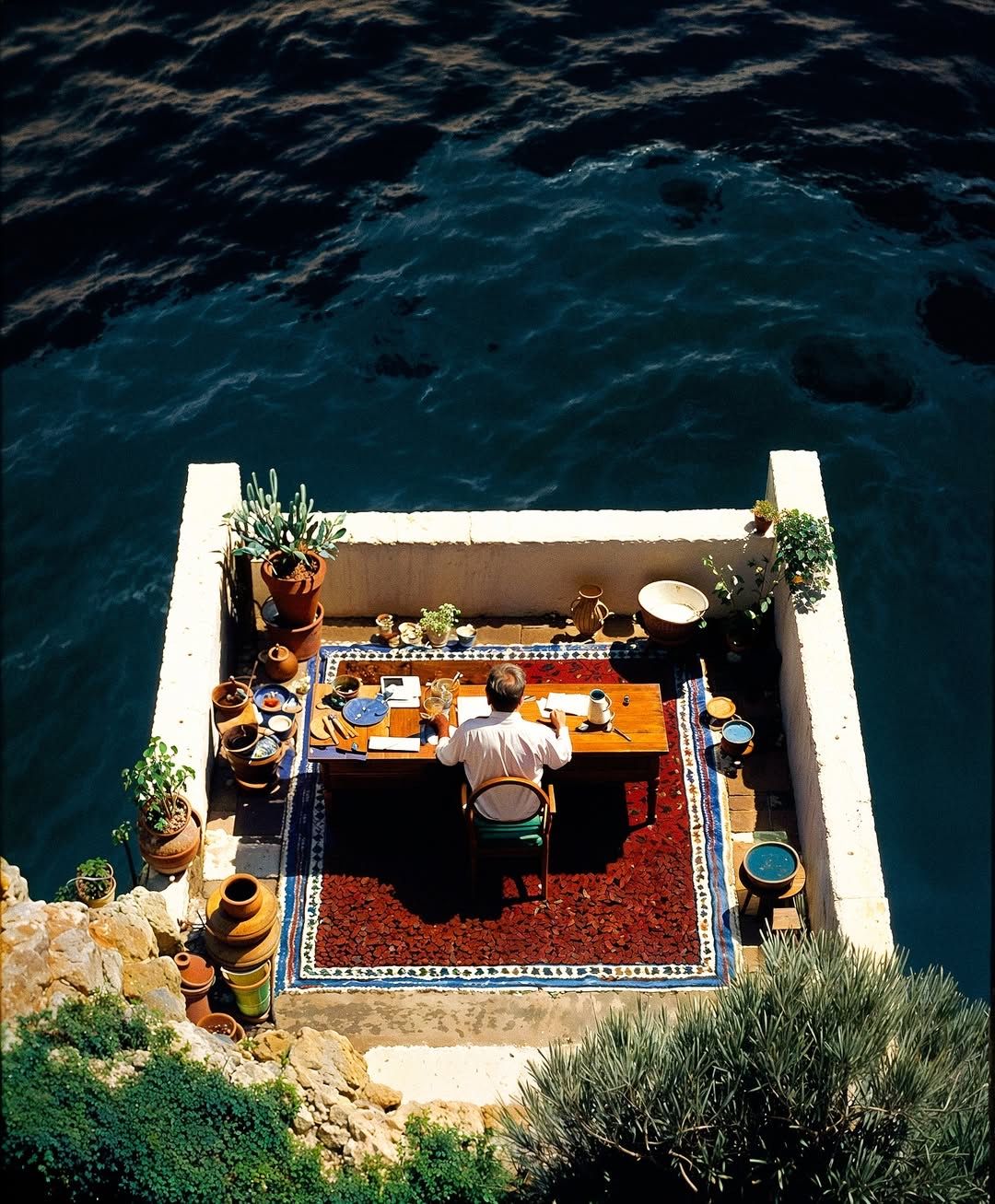
The Social Behaviour of a Modern Luxury Brand: Authenticity Over Perfection
Authenticity isn't the opposite of luxury. Pair lo-fi moments and curated UGC with polished hero work, set simple rules on light, framing, tone and claims, and measure saves, shares and completion before reach.

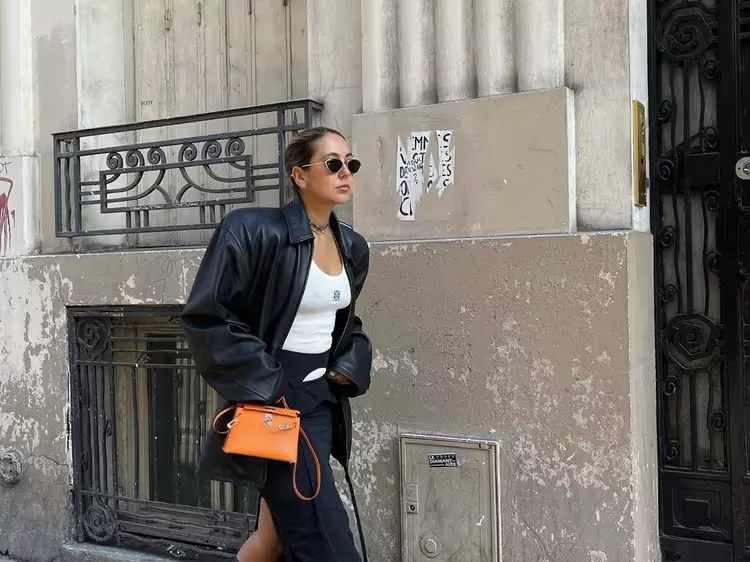
Modern luxury brands win on social by pairing authentic, lo-fi moments and curated customer and creator content with polished, narrative-led hero work, protected by clear creative guardrails on light, framing, tone and claims. Authenticity isn't the opposite of luxury: used deliberately, candid content shows the human side of a brand while materials, craft and restraint keep it premium.
The luxury brand landscape is evolving. The old formula of polished, perfectly curated content that guards a sense of distance no longer carries culture on its own. Younger, highly engaged audiences reward brands that feel human, present and credible.
The question: how do you take part in lo-fi, real-time culture without eroding a premium image?
The answer: pair authentic user-generated content (UGC) with high-end, narrative-led storytelling and clear creative guardrails.

Why lo-fi matters for luxury now
TikTok and Instagram have normalised candid, in-the-moment storytelling. In that context, carefully chosen lo-fi moments signal confidence and openness. Used well, they deepen trust and make premium brands feel current without abandoning refinement.
How Burberry, Jacquemus and Loewe balance it
Across luxury, playful and relatable posts now sit alongside polished campaign work. Burberry mixes heritage cues with creator-led moments; Jacquemus has experimented with phone-shot storytelling; Loewe balances artful minimalism with creator collaborations. The common thread: credible stories first, polish second.
UGC as a reach engine, without losing brand codes
Customer and creator content expands reach, introduces new voices and multiplies credible touchpoints. For high-end brands, the key is curation: not all UGC qualifies. Prioritise pieces that reinforce craftsmanship, service, materials and ritual. Encourage customers and creators to share real use, but give them a simple brief so the content fits your brand world.

Loewe showed that UGC doesn't mean sacrificing elegance. By merging premium storytelling with creator-led content, it built an authentic yet luxurious message and a stronger connection with younger audiences who value both authenticity and quality.
How to curate UGC that still feels premium
- Set a one-page brief: natural or soft lighting, clean backgrounds, a calm and confident tone, and no heavy filters.
- Favour substance over memes: hands-in-frame process, genuine reactions and simple voiceover age better than meme formats.
- Protect claims: avoid medical or technical absolutes, and stick to what you can evidence.
- Credit creators clearly: avoid intrusive overlays and let materials, craft and service carry the frame.
- Secure rights up front: agree usage and paid amplification rights, and keep approvals on file.
Creative guardrails for lo-fi luxury
- Framing: show the outcome first, then the making; lead with the piece, not the prop.
- Sound: keep it clean; music should support, not distract. Add subtitles where clarity needs them.
- Palette and type: stay within brand colours and avoid heavy text, with one captioned takeaway at most.
- People: talent should feel real and confident, never a parody of the brand world.
- Editorial balance: alternate candid moments with polished hero assets, and support the best with paid distribution when it's time to scale.
Pros and cons of embracing authenticity
- Pros: stronger credibility and cultural relevance with younger audiences, higher save and share rates when stories feel human, more creator content without full production costs, and polished work that performs better alongside credible lo-fi context.
- Cons: it needs tight curation, because off-brand UGC dilutes brand codes; guardrails and approvals add time; and success shows up in quality metrics such as saves and shares, which needs patience.
Further reading
- Premium Creative
- Premium Organic Distribution
- Ways to increase TikTok engagement
- TikTok: how luxury taste, discovery and purchase are changing
- Instagram branded content policies
- ASA: recognising ads on social media
Frequently asked questions
Isn't lo-fi content the opposite of luxury?
Not when it's intentional. Lo-fi shows the human side of the brand; luxury still comes through materials, ritual and restraint.
How much UGC is too much for a luxury brand?
Keep an editorial balance. For every candid piece, plan a polished anchor such as a campaign cut, hero stills or a crafted carousel.
What should luxury brands measure first?
Saves, shares and completion rate. They show credible interest; reach tends to follow.
Can luxury brands work with creators safely?
Yes. Choose people who already live near your brand world, give them a simple brief and clear approvals, and avoid heavy scripts.
How do you avoid eroding brand codes?
Write your rules on light, tone, framing and claims into a one-page guide, review content before posting, and keep your polished pillars live.
Conclusion
Authenticity over perfection doesn't mean abandoning luxury; it means proving it. Use lo-fi as a window into the human side, keep creative guardrails in place, and pair candid moments with polished hero assets. That balance earns attention today and protects brand equity tomorrow.